

ResourcesAmazonian Canids Working Group
Chairs:
Karen DeMatteo – WildCare Institute at the Saint Louis Zoo; Washington University in St. Louis; & A K9 Nose Knows (USA)
Fernanda Michalski – Universidad Federal do Amapá & Pró-Carnivoros (Brazil)
Species:
Each species on this list occurs in or around the Amazon region and remains understudied, warranting additional research — including the Lycalopex/Pseudalopex spp., which other working groups often overlook.
Click on the species’ scientific name below for a brief summary. For further detail, see the IUCN Red List and literature summaries compiled by the Amazonian Canids Working Group.
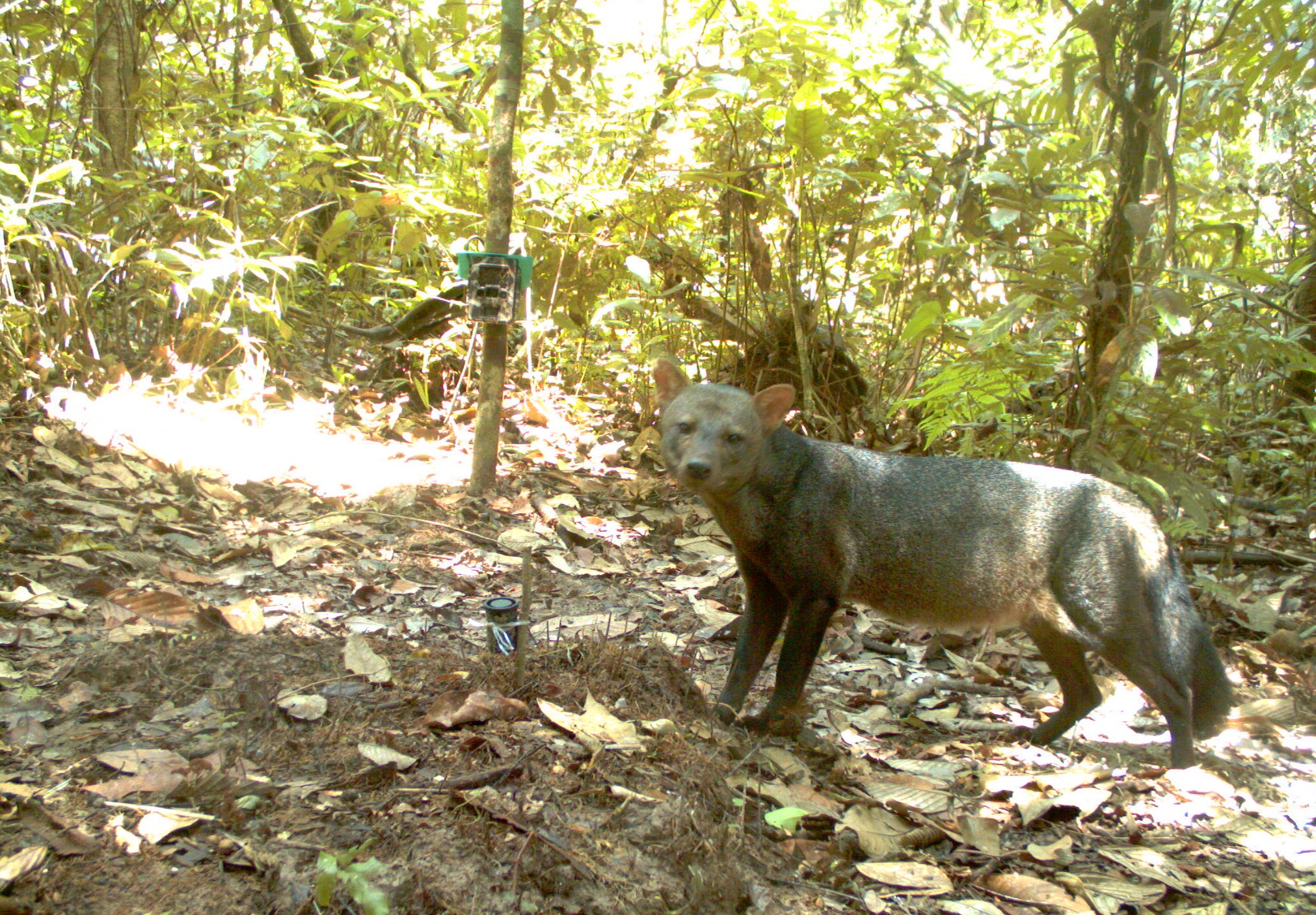
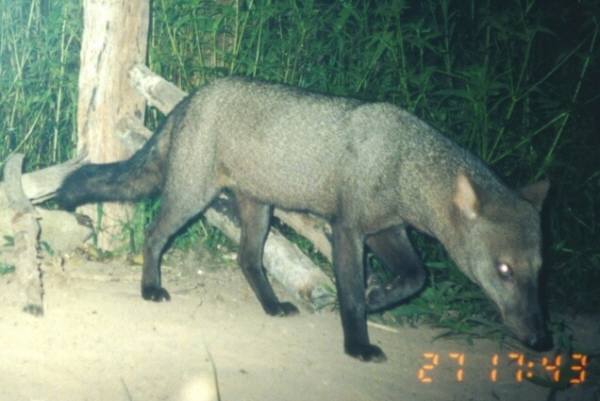
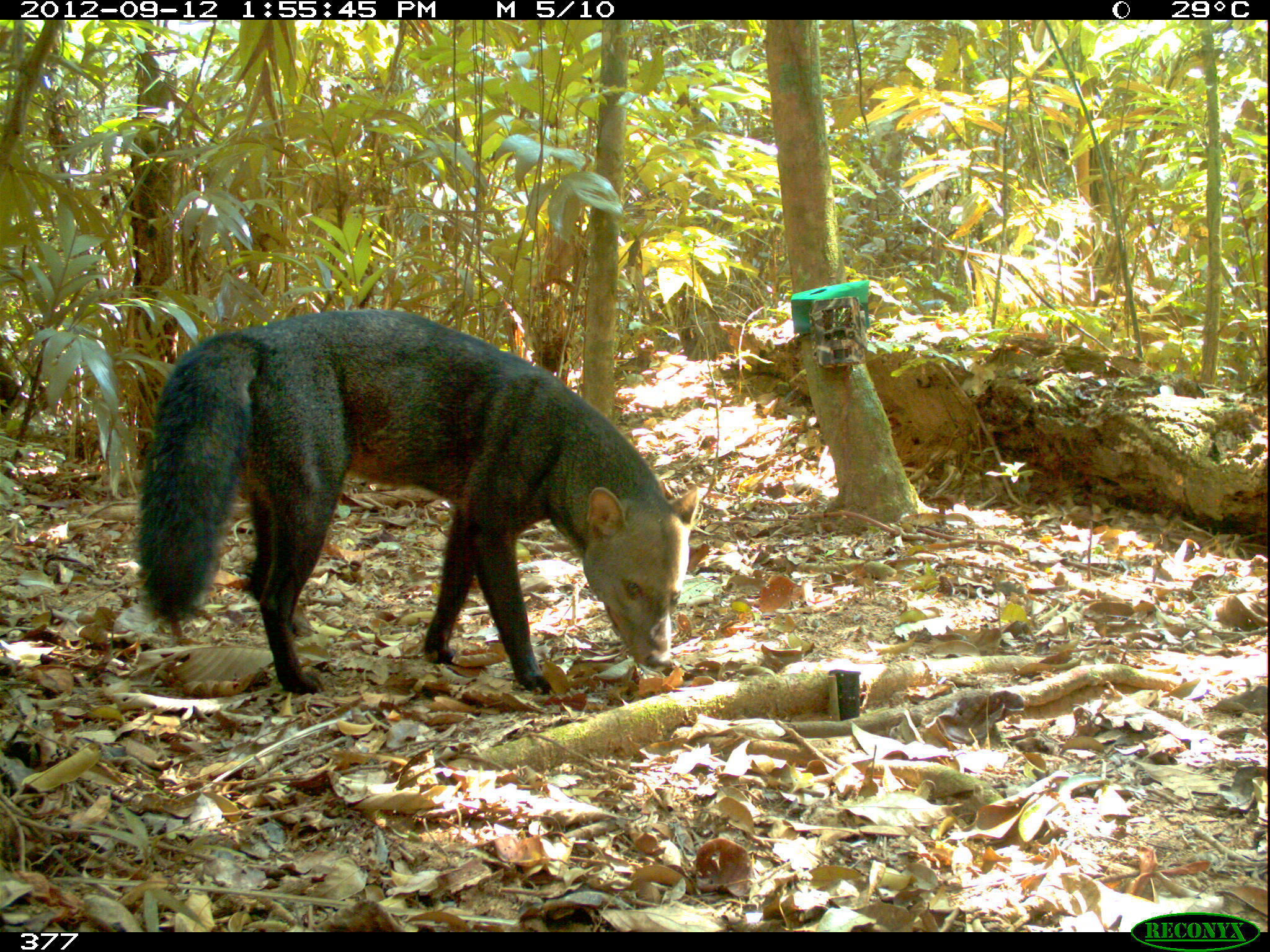
short-eared dog - Atelocynus microtis
.jpg "short-eared dog - © Fernanda Michalski")
© Renata Leite Pitman & Matthew Swarner © Fernanda Michalski
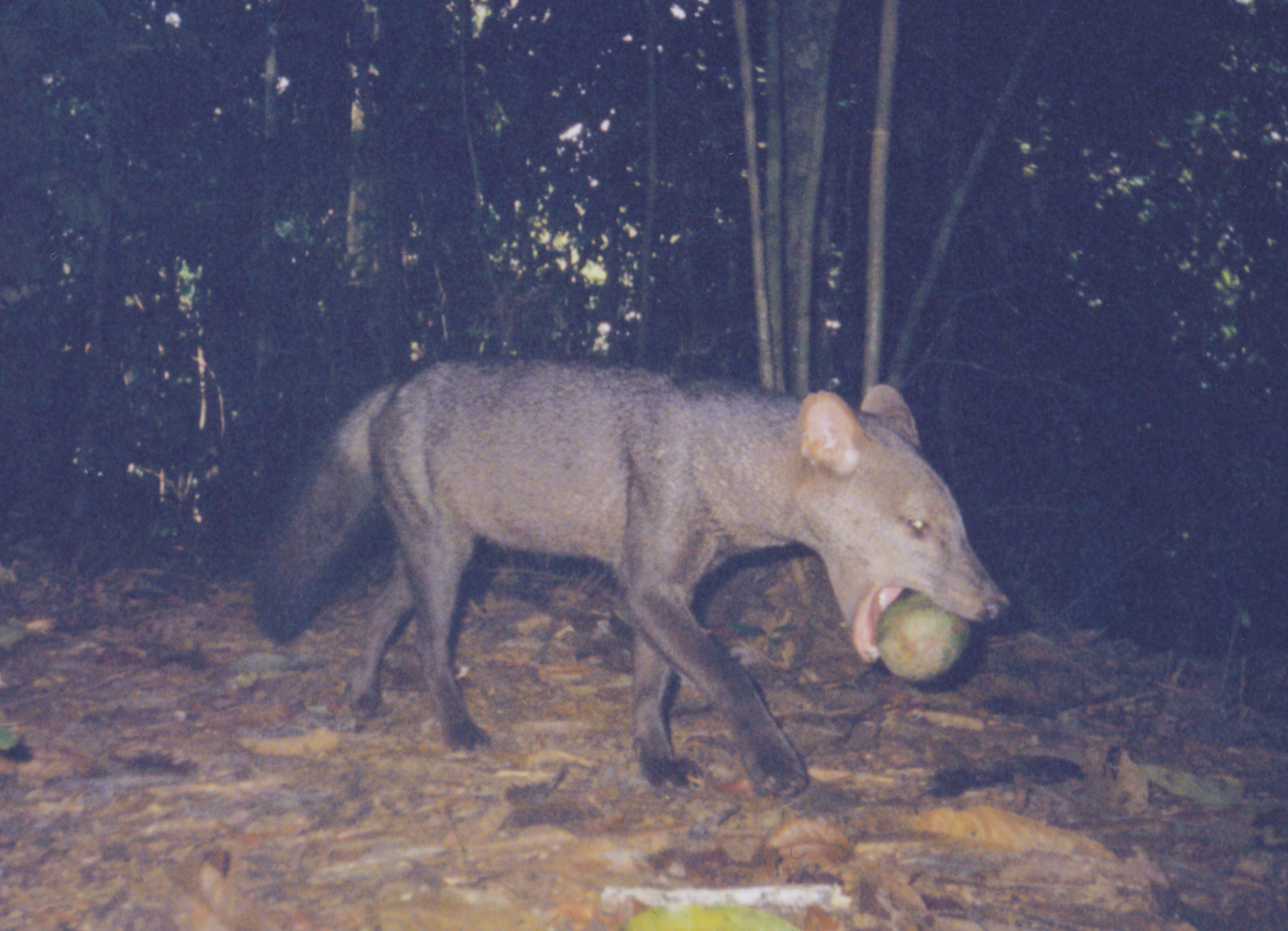
© Guido Ayala, Maria Viscarra, & Rob Wallace – WCS © Renata Leite Pitman
(plus sidebar-top photo)
crab-eating fox - Cerdocyon thous
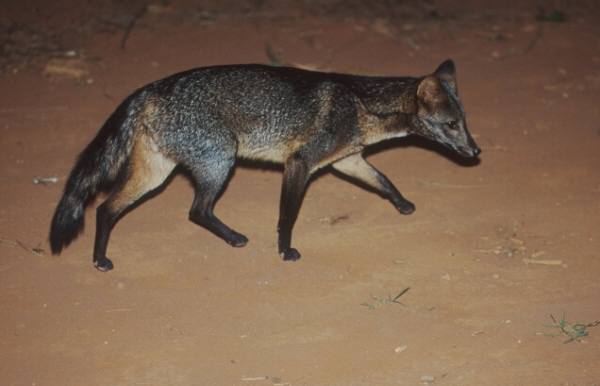
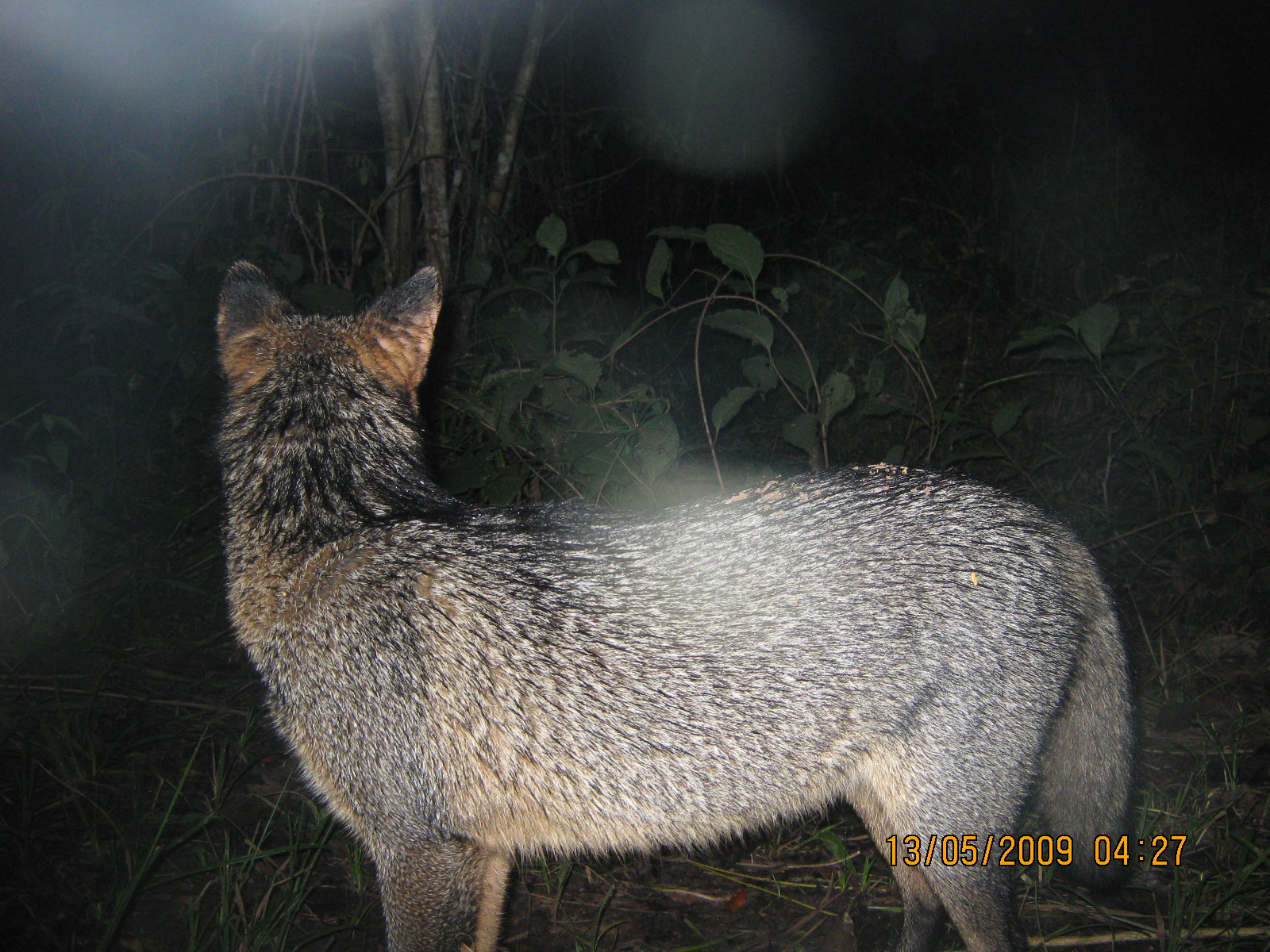
© Adriano Gambarini © Rosario Arispe & Claudia Venegas
bush dog - Speothos venaticus
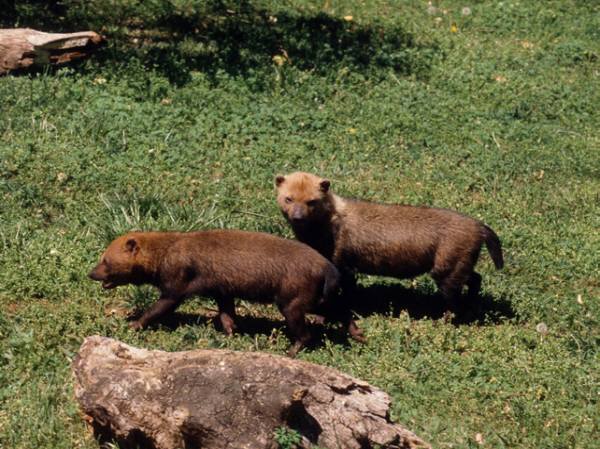
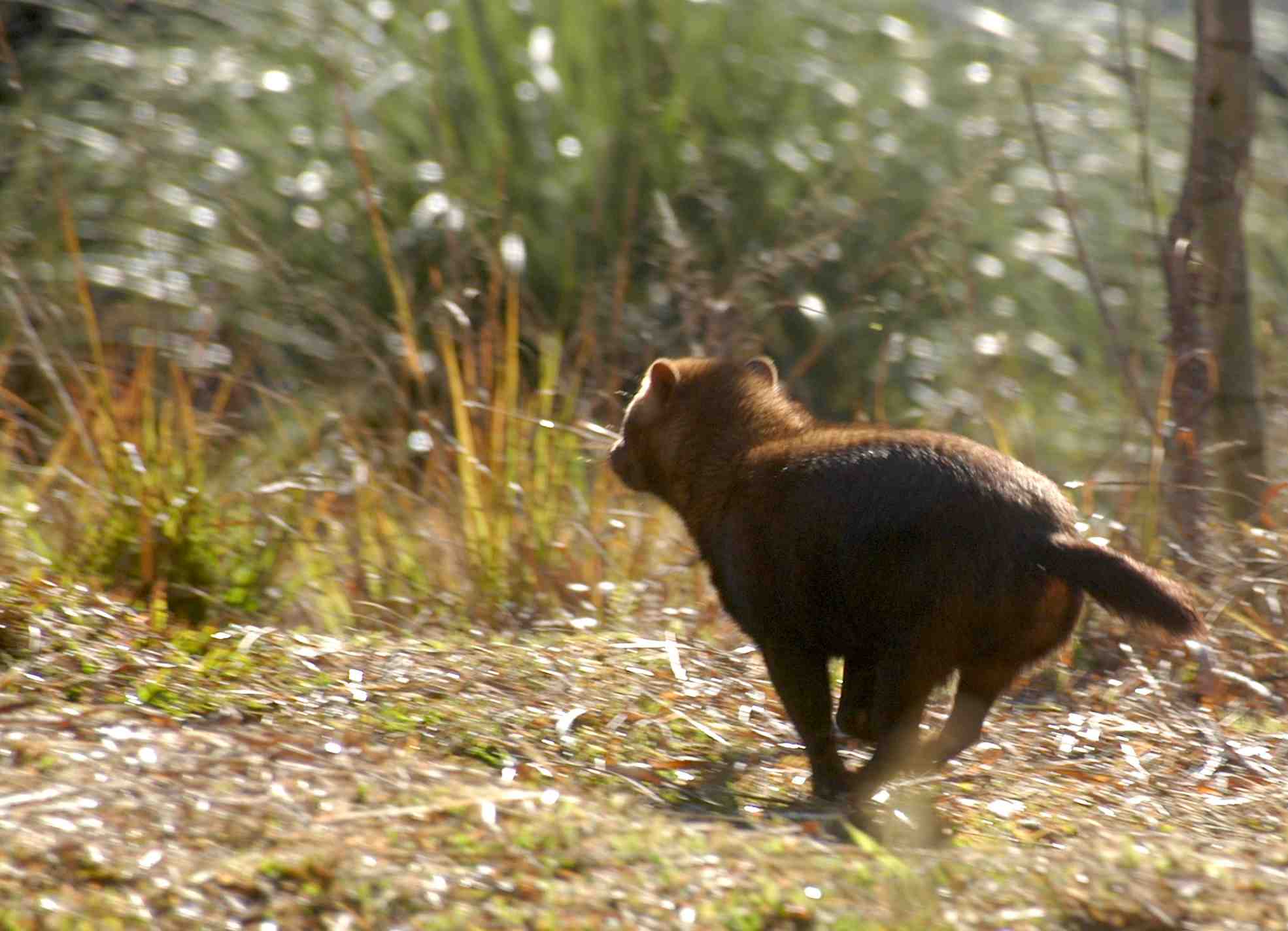
© Gerald Zuercher © Renata Leite Pitman
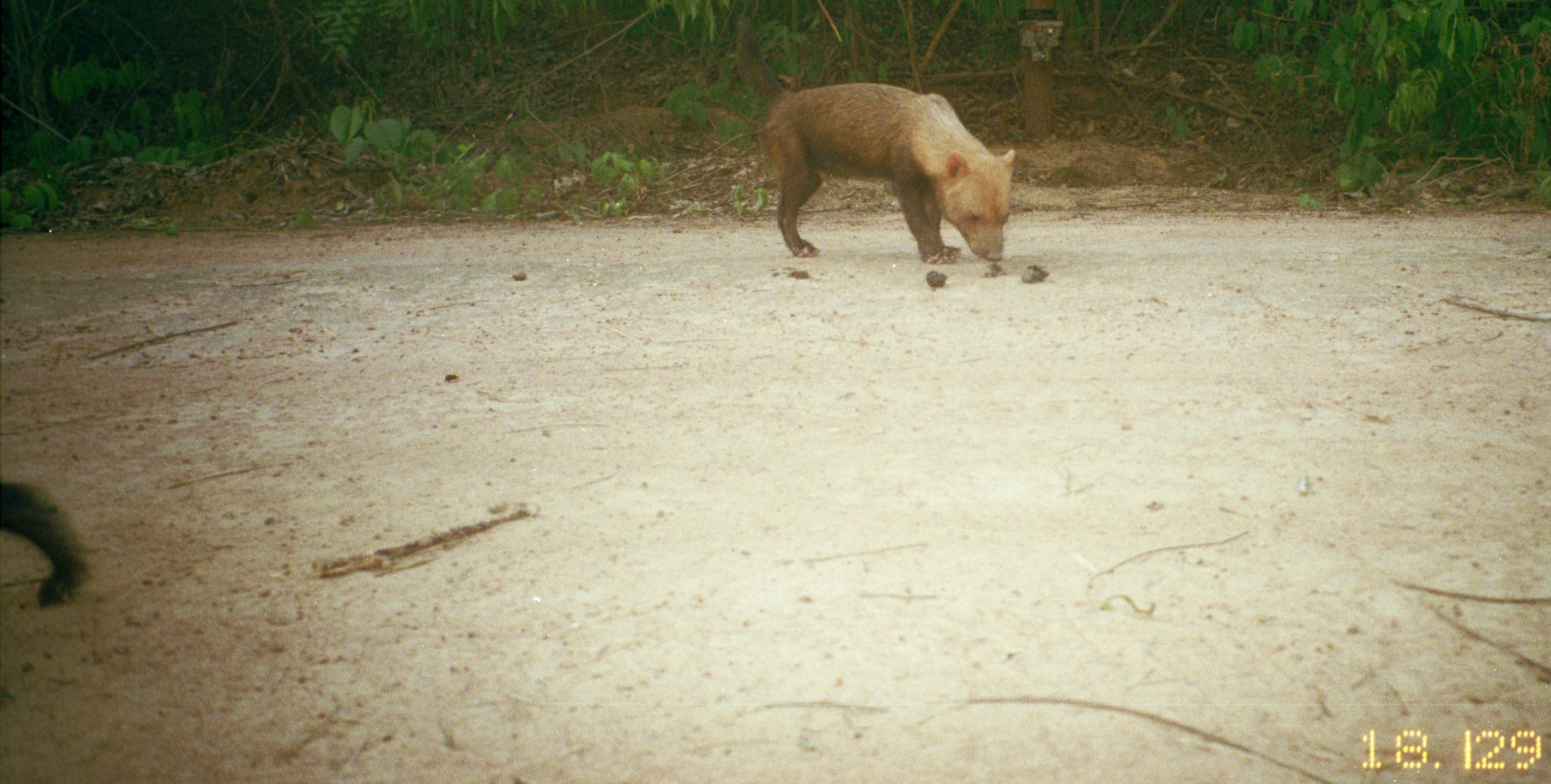
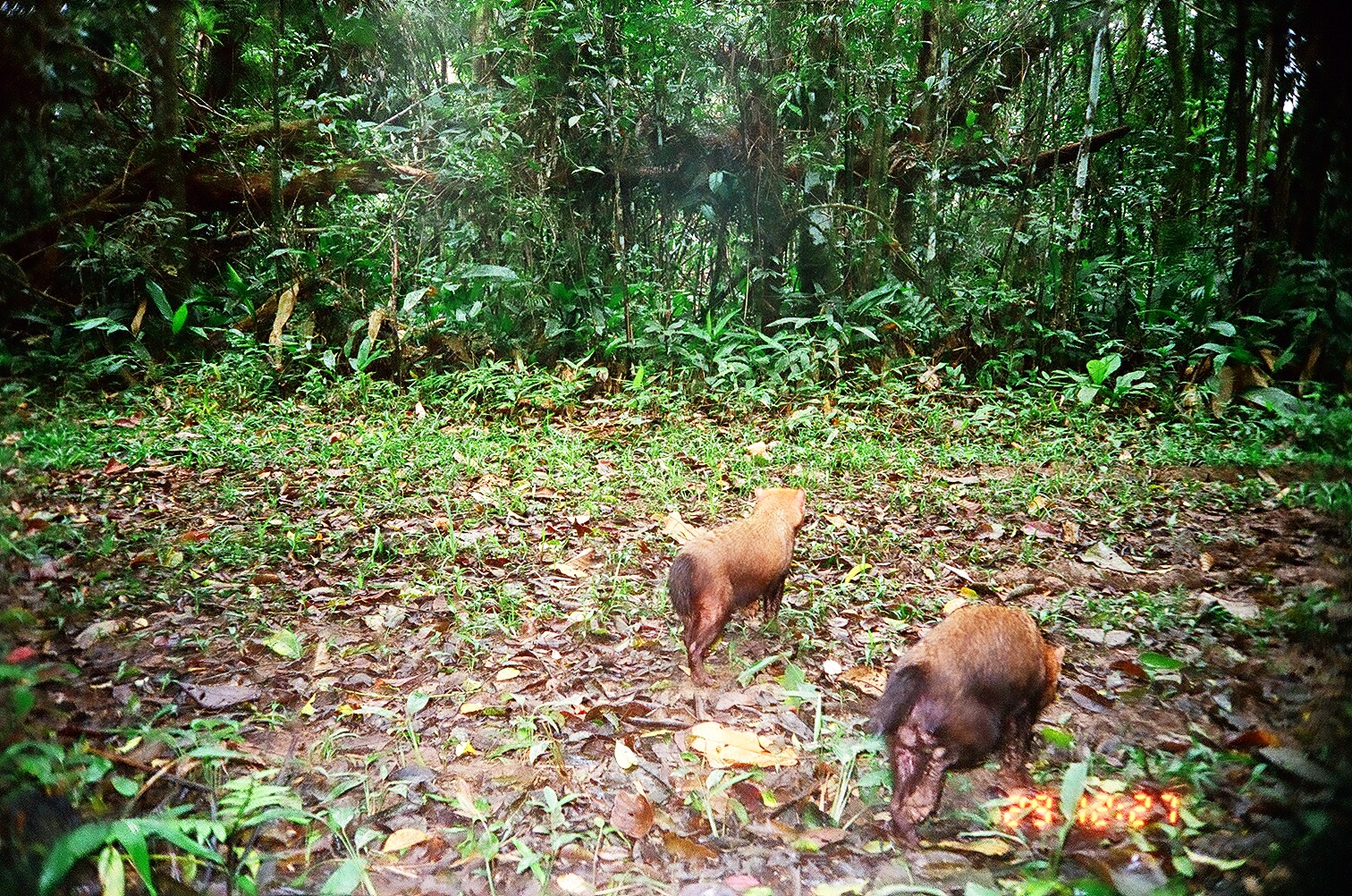
© Rosario Arispe, Claudia Venegas, & Damian Rumiz © BM Beisiegel
Lycalopex/Pseudalopex spp. – South American foxes
hoary fox (Lycalopex vetulus)
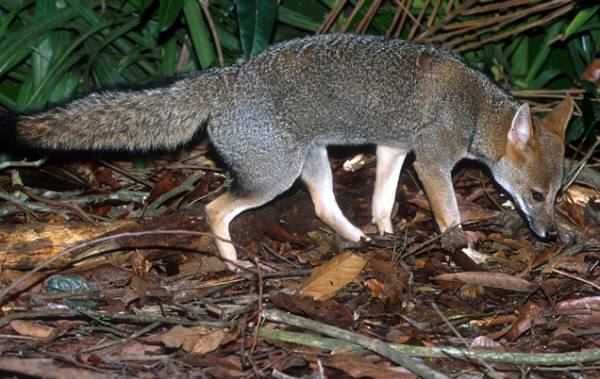
© Adriano Gambarini
pampas fox (Lycalopex gymnocercus)
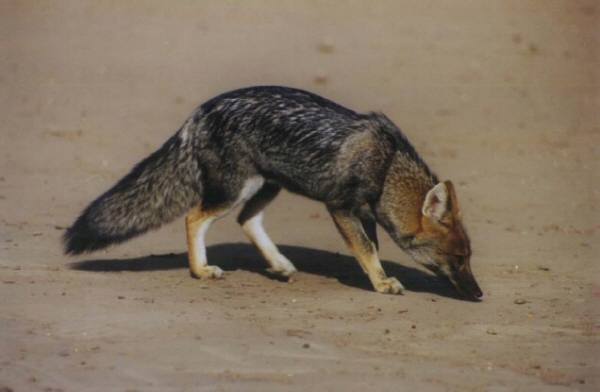
© Marcelo Dolsan
sechuran fox (Lycalopex sechura)
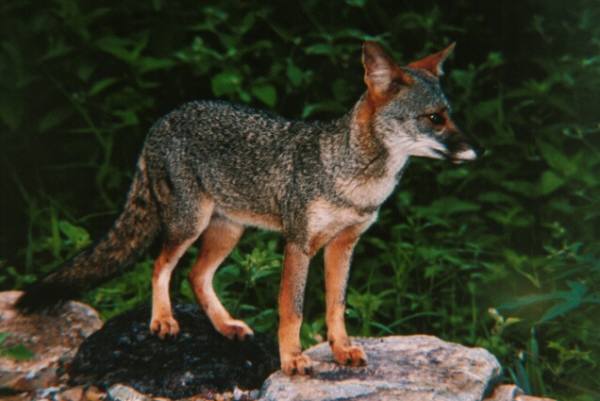
© Daniel Ascensios
Review of literature on Amazonian canids:
Atelocynus microtis – short-eared dog
Cerdocyon thous – crab-eating fox
Speothos venaticus – bush dog
Lycalopex/Pseudalopex spp. – South American foxes
The main issues affecting Amazonian canids:
Like many carnivores worldwide, Amazonian canids face a range of direct and indirect threats to their long-term survival. Habitat loss and fragmentation are a global concern for wildlife, but they are especially pressing in the Amazon, where large tracts of intact habitat continue to be cleared for agriculture — including soybean production — while hydroelectric development expands rapidly. Illegal hunting has also reduced prey abundance, indirectly affecting these canids. Some species face more direct persecution: the crab-eating fox is treated as a pest in parts of its range, and Lycalopex/Pseudalopex foxes are hunted for fur and killed to protect livestock. Domestic dogs create a further set of threats: they compete for and prey on the same prey base, prey directly on canids (particularly bush dogs, which often den in the abandoned burrows of their prey), and transmit infectious diseases. This last threat — disease transmission from domestic dogs — remains poorly understood but may be increasing as wildlife comes into closer contact with human settlements and their animals.
Top issues the Amazonian Canid Working Group would like to prioritise in the near future:
The working group's top priority is building an online network of researchers, managers, educators, and other experts across the region who study or work with these species. This network would coordinate conservation action by identifying species-specific research questions, developing research projects, and setting conservation goals — as well as connecting priority initiatives with the students, graduate programs, and funding agencies that could support them. Network participants would help set priorities for proposed research and conservation activities, and the group would also support regional education initiatives that raise public awareness of these canids, their ecological importance, and the threats they face.
Potential research or conservation activities relevant to Amazonian canids:
The bush dog and short-eared dog are not actively persecuted, but both are Near Threatened, rare throughout their ranges, and face threats that are driving population declines: habitat loss and fragmentation, declining prey availability from illegal hunting, and predation and disease risk from domestic dogs — a particular concern for the bush dog, which often dens in the abandoned burrows of its prey. Limited field data on population size, distribution, and threats leave both species in a conservation information gap. Field studies estimating population size, testing how ecological requirements shift with habitat integrity, and assessing the direct effects of dog-transmitted disease would close this gap and support more robust conservation status assessments and distribution models.
The crab-eating fox is unique among Amazonian canids: it is classified as Least Concern, remains common throughout its range, carries little species-specific protective legislation, and appears to maintain stable populations. However, reliable population estimates are lacking. Unlike the bush dog and short-eared dog, the crab-eating fox is often treated as a pest and is actively persecuted in some areas. It adapts readily to habitat conversion and its prey base is less affected by illegal hunting, but its proximity to human settlements may increase its exposure to disease transmitted by domestic dogs. Field studies estimating population size and confirming population trends would be valuable, but the species would benefit most from education campaigns highlighting its ecological role and importance. Better data on population size, trends, and threats would strengthen the basis for reassessing its conservation status.
The Lycalopex/Pseudalopex spp. found in and around the Amazon — including the hoary fox and pampas fox — are, like the crab-eating fox, classified as Least Concern by the IUCN Red List and remain relatively common where they have been studied. However, this genus is consistently underrepresented in Amazonian canid research, and Amazon-specific population, distribution, and threat data are especially sparse compared with the region's other canids. These foxes face pressure from habitat loss, hunting for fur, and persecution to protect livestock, and — like the region's other canids — may face growing disease risk as domestic dogs move into closer contact with wildlife. Because so little Amazon-specific data exists for this genus, priority activities should include field studies to establish baseline population and distribution data within the region, assessment of how habitat conversion affects these foxes specifically in Amazonian habitats, and evaluation of disease transmission risk from domestic dogs. As with the crab-eating fox, education campaigns addressing human-wildlife conflict and highlighting these foxes' ecological role would help reduce persecution, while closing the broader data gap would support a more confident, Amazon-specific reassessment of their conservation status.
Members of the Amazonian Canids Working Group:
Chairs:
- Karen DeMatteo: WildCare Institute – Saint Louis Zoo; Washington University in St. Louis; & A K9 Nose Knows (USA)
- Fernanda Michalski: Federal University of Amapá (UNIFAP) & Instituto Pró-Carnívoros (Brazil)
IUCN CSG Members:
- Rogerio Cunha de Paula: CENAP – ICMBio
- Anthony Giordano: S.P.E.C.I.E.S. (The Society for the Preservation of Endangered Carnivores and their International Ecological Study)
- Renata Leite-Pitman: Nicholas School of Environment at Duke University
- Fred Lemos: Universidad Federal de Goiás – Regional Catalão – Programa de Conservação Mamíferos de Cerrado
- Marcela Lima: Universidade Federal do Pará – UFPA (Instituto de Ciências Biológicas)
- Ricardo Moreno: Yaguará Panamá Foundation
- Tadeu Oliveira: Universidade Estadual do Maranhão – UEMA (Dept. Biologia) & Instituto Pró- Carnívoros
- Esteban Payan: Wildlife Conservation Society (Latin America)
- Melian Peetoom: University of Oxford – Department of Biology
- Héctor Ramírez-Chaves: Departamento de Ciencias Biológicas and Centro de Museos, Museo de Historia Natural, & Universidad de Caldas, Manizales, Colombia
- Rob Wallace: Wildlife Conservation Society (Bolivia)
- Rob Williams: Independent Conservation Ecologist & Photographer
Associates of the Amazonian Canids Work Group:
- Rosario Arispe: Museo de Historia Natural Noel Kempff Mercado – Universidad Autónoma Gabriel René Moreno
- Sarah Cleaveland: University of Glasgow – School of Biodiversity/One Health & Veterinary Medicine
- Orin Courtenay: Zeeman Institute and School of Life Sciences – University of Warwick (UK)
- Julio Dalponte: Instituto Pró-Carnívoros
- Beatriz de Mello Beisiegel: ICMBio - Floresta Nacional de Capão Bonito (Brazil)
- Daniel Gomes da Rocha: Southwestern Oklahoma State University
- Leandro Silveira: Instituto Onça-Pintada
- Juan Pablo Zurano: Instituto de Biología Subtropical – Universidad Nacional de Misiones – CONICET
- Katherina Vizcaychipi: Instituto Nacional de Enfermedades Infecciosas – ANLIS “Dr. Carlos G. Malbran” – Ministerio de Salud de la Nación (Buenos Aires, Argentina) & Instituto Nacional de Medicina Tropical (INMeT) – ANLIS "Dr. Carlos G. Malbran", Ministerio de Salud de la Nación (Puerto Iguazú Misiones, Argentina)